


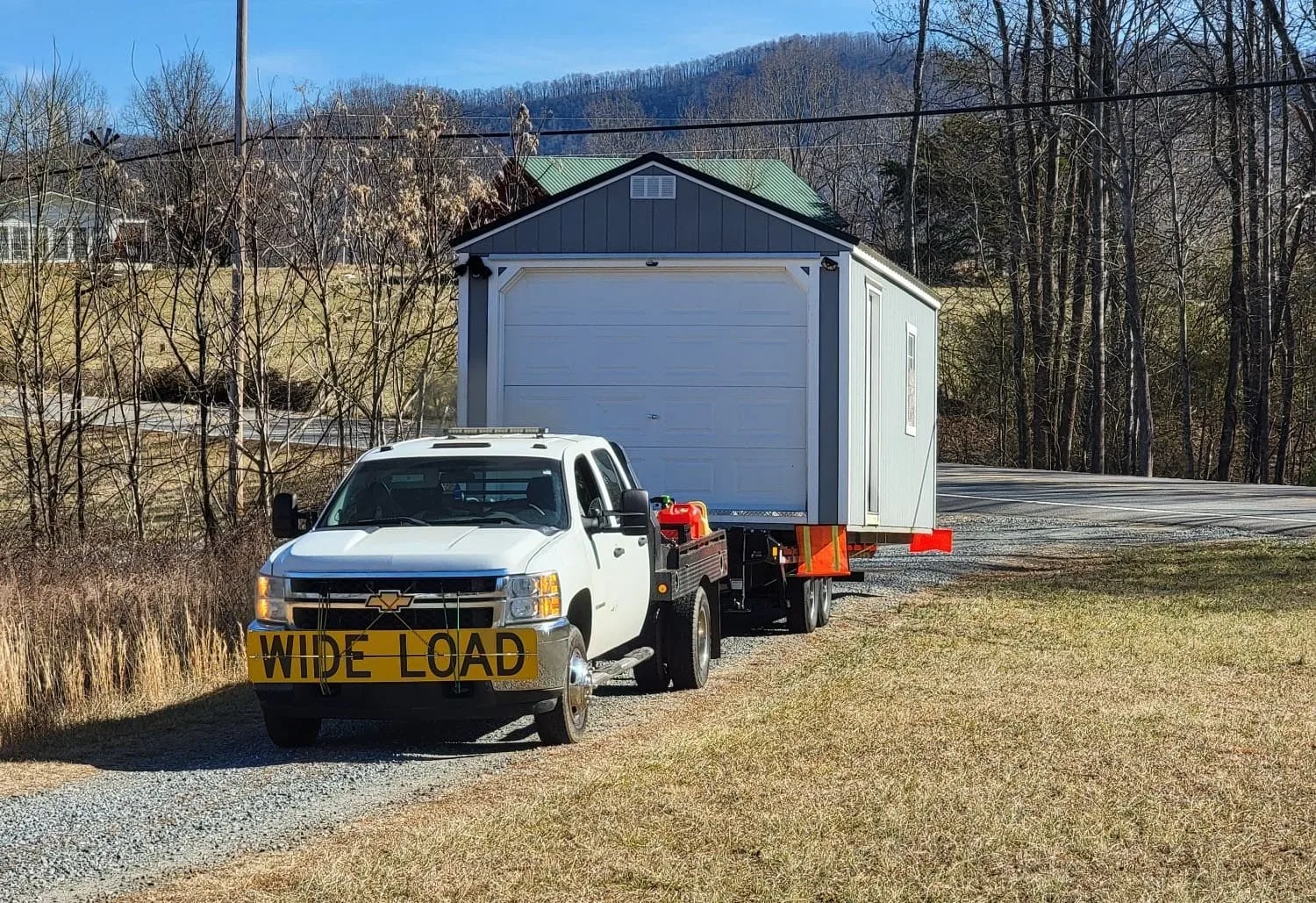
Before you can legally drive a car, you’re required to learn road rules, pass a test, and earn your license. But when it comes to towing a trailer, there’s often no special licensing required–leaving the responsibility of understanding the laws entirely up to you. Even for drivers with a CDL, staying informed can be a challenge, with trailer towing laws varying from state to state and constantly evolving.
These regulations exist for a reason: to ensure the safety of everyone on the road. That’s why it’s crucial to know which laws apply to you before you hitch up and head out. In this article, we’ll break down essential federal and state regulations, address common questions, and provide guidance to help you transport your cargo safely and legally.
Overview of legal requirements
Towing regulations can vary widely depending on your setup, location, and the type of trailer you’re pulling. One of the key factors influencing requirements is whether you intend to use your trailer for personal or commercial purposes. However, there are a few laws that apply across the board, demanding attention from private and commercial drivers across the country. A legal towing setup must meet several requirements:
Plates
In states where tagging a trailer is mandatory, your trailer’s license plate must be visibly displayed. In some states, this includes illuminating the plate with a license plate light for nighttime visibility.
VIN number
Every vehicle on the road, including trailers, must have a Vehicle Identification Number (VIN). This unique identifier specifies details like the trailer’s manufacturing date, location, and specifications.
A trailer’s VIN is typically located on the tongue or the inside or outside of the frame. If you’re buying a used trailer, ensure the VIN is intact and legible since stolen trailers often have their VIN removed. To protect your investment, keep a record of your trailer’s VIN in a safe place–this can greatly improve your chances of recovering the trailer if it’s stolen.
License
Most states allow small, private-use trailers to be towed with a standard driver’s license. However, some states may require a license endorsement or impose age restrictions.
To tow heavy commercial loads, you typically need a Commercial Driver’s License (CDL). Federal law mandates a CDL for towing loads exceeding 26,000 pounds for commercial purposes, including motor sports or horse shows. Each state also has its own requirements limiting how much weight you can haul without a CDL, so ensure compliance with both state and federal regulations.
Insurance
Trailer insurance is only legally required for commercial use, but it’s a smart investment even for private trailer owners. Many trailer owners assume that their vehicle’s insurance will cover the trailer in tow as well, but this is rarely the case. Consulting with your insurance agent is the best way to make sure you’re getting the coverage you want for both your trailer and its contents.
If you’re financing your trailer, your lender may require insurance until the loan is paid off. Adding coverage ensures financial protection in case of accidents or damage while towing.
Safety requirements
Neglecting safety measures can not only endanger your setup but also expose you to liability in the event of an accident or inspection. The following safety standards are required by law:
- Tow capacity: Ensure your loaded trailer’s weight doesn’t exceed your tow vehicle’s Gross Vehicle Weight Rating (GVWR).
- Hitch: Use the correct hitch ball size and safety chains to securely attach the trailer to your tow vehicle.
- Tongue weight: Check that the trailer’s tongue weight is within the acceptable range for your trailer type and loaded weight.
- Secured cargo: Fasten your load with trailer ties or straps to prevent it from shifting or falling out.
- Tires: Replace tires with breaks, bulges, exposed ply or cord, or a tread depth less than 2/32 of an inch.
- Splash guards: Some states require splash guards for commercial trailers to reduce debris and water spray.
Road rules
Adhering to road rules not only keeps you compliant but also reduces the risk of accidents. Towing adds extra weight, so it’s important to change your driving habits. Follow these best practices for safely towing a trailer:
- Speed: Observe posted speed limits, tire and trailer speed ratings, and any state regulations on trailer speed. Never exceed the lowest of these limits, and adjust speed if you experience trailer sway or rough road conditions.
- Stopping distance: Since you’re stopping additional weight with a trailer in tow, be ready to brake sooner and allow plenty of stopping distance.
- Maneuvering: Take wider turns, leave extra space in tight areas, and use a backup camera or spotter when reversing.
- Braking: Avoid sudden braking to reduce stress on your trailer, and use a lower gear on downhill grades to prevent brake overheating.
- Clearance: Plan routes ahead of time to avoid low-clearance areas and ensure your trailer meets road and bridge height requirements.
- Loading: Properly distribute your trailer’s load to prevent sway or instability, which can endanger you and others on the road.
What is the maximum legal towing weight?
The maximum legal towing weight depends on your vehicle’s towing capacity and your trailer’s GVWR. Each vehicle and trailer has a specific load limit that should never be exceeded.
Exceeding these limits can strain your vehicle, compromise safety, and lead to dangerous driving conditions. To stay within the legal limits, always ensure your setup adheres to the weight rating of its weakest component.
Learn more: Guide to Trailer Weights by Trailer Type
How much can you tow without trailer brakes?
Federal law and many state regulations allow towing up to 3,000 pounds without trailer brakes. However, requirements can vary, so it’s essential to check the specific laws in the states where you’ll be driving.
In addition to trailer brakes, many states mandate an emergency breakaway system for trailers exceeding a certain gross weight. Federal law mandates breakaway systems on loaded trailers over 3,000 pounds to help prevent accidents if the trailer disconnects from the tow vehicle.
What equipment is required to be on a trailer?
While most states mandate essential trailer equipment such as safety chains, reflectors, and tie-downs, the specific requirements can vary. Let’s take a closer look at the key equipment needed for trailers and what regulations may apply.
1. Safety chains
Safety chains are a critical component of trailer safety and are required in most states. In the event your trailer becomes unhitched from your tow vehicle, these chains keep the trailer connected and cradle the tongue until you can safely pull over. Always use two safety chains rated for your trailer’s gross weight, crossing them beneath the hitch for added stability.
2. Hitch ball
Ensure your trailer’s hitch ball is the correct size for the coupler and your vehicle’s towing capacity. An improperly sized hitch ball could cause the trailer to become unstable or detach from the coupler while driving, making it one of the leading causes of trailer accidents. Double-check that the hitch ball is securely fastened before hitting the road.
3. Electrical connector
Properly set up the trailer’s electrical wiring and verify that all lights are functioning before you hit the road. The electrical connector should have enough slack to allow turns without creating tension but should not hang loose enough to drag on the ground.
4. Reflectors
Reflectors are essential for keeping your trailer visible in low-light or foggy conditions. Federal and state laws generally require reflectors on the rear of the trailer, and wider trailers may also need side reflectors. Check your state’s specific requirements to ensure compliance.
5. Brakes
Brakes, along with breakaway systems, are mandatory for heavy trailers. They enhance control, provide additional stopping power, and reduce wear on your tow vehicle’s brakes. While some trailers come equipped with brakes, others may require the installation of a braking system to meet legal and safety standards.
6. Tie-downs
If you’re towing a flatbed trailer, use tie-downs or ratchet straps to secure the load. Fasteners prevent cargo from shifting, getting damaged, or falling out of the trailer, which could create hazardous conditions for other drivers.
7. Flares
Certain states require you to carry flares in your tow vehicle or trailer to alert traffic in case of a breakdown. Regardless of the regulations, keeping traditional or LED flares on hand is a smart measure to ensure safety during emergencies.
Even if it’s not required in your state, equipping your trailer with these items can keep your trailer and cargo secure and visible to other drivers.
When are lights required to be installed on a trailer?
Generally, any trailer that blocks the rear lights of the tow vehicle should be equipped with its own lights. Depending on state requirements, trailers may need the following lights:
- Taillights
- Brake lights
- Turn signals
- License plate lamp
- Front and rear side marker lamps
- Clearance lamps (for trailers wider than 80 inches)
Trailer lights are essential for visibility, especially at night, and help alert other drivers to your presence. Be sure to follow state and federal lighting regulations to reduce the risk of accidents and keep everyone on the road safe.
Trailer towing laws by state
When traveling across state lines, the towing laws of the state you’re driving in apply, regardless of where your vehicle and trailer are registered. While many states share similar regulations, each has unique requirements. For instance, all states mandate the use of reflectors, but placement requirements can vary.
To help you stay compliant, the chart below compares trailer towing laws in Southeastern states.
| State | Max legal length | Max legal height | Max legal width | Weight requiring trailer brakes | Safety chains | Speed limit | Lighting required | Mirrors |
| SC | 48’ | 13’6” | 102” | 3,000 lbs. | Required | 55 mph | Taillights, brake lights, license plate lights (certain trailer types), and turn signals visible from 500 feet | Must provide a 200-foot rearview |
| NC | 48’ | 13’6” | 96” | 4,000 lbs. | Required | 55 mph | Taillights, brake lights, and turn signals if load obscures vehicle lights or trailer is >4,000 lbs. | Use extended mirrors if trailer blocks your rearview |
| GA | Not stated | 13’6” | 96” | 3,000 lbs. | Required | 55 mph | Taillights visible from 500 feet | Must provide a 200-foot rearview |
| TN | 40’ | 13’6” | 102” | 3,000 lbs. | Required | 55 mph | Taillights, brake lights, and turn signals visible from 500 feet | Use extended mirrors if trailer blocks your rearview |
It’s also important to consider federal regulations, which may apply depending on how you use your trailer. For example, in North Carolina, state law requires trailer brakes for trailers with a gross weight exceeding 4,000 pounds. However, if you’re using the trailer for commercial purposes, federal law takes precedence and lowers the threshold to 3,000 pounds.
Always ensure your setup complies with both state and federal laws to avoid penalties and ensure safety.
Stay safe and compliant
Following trailer towing laws isn’t just about compliance–it’s about protecting yourself and everyone else on the road. At Ken Feagin Truck & Trailer, your safety is our top priority. We believe confidence and peace of mind start with a reliable trailer you can depend on.
If you’re shopping for a trailer in Asheville or Greenville, SC, we’re right down the road in Campobello, SC. Come visit us, or give us a call–we’re always happy to help.
While this information is accurate as of the publish date, regulations can change frequently. Always double-check the latest trailer towing laws to stay informed and road-ready.
You might also like: