


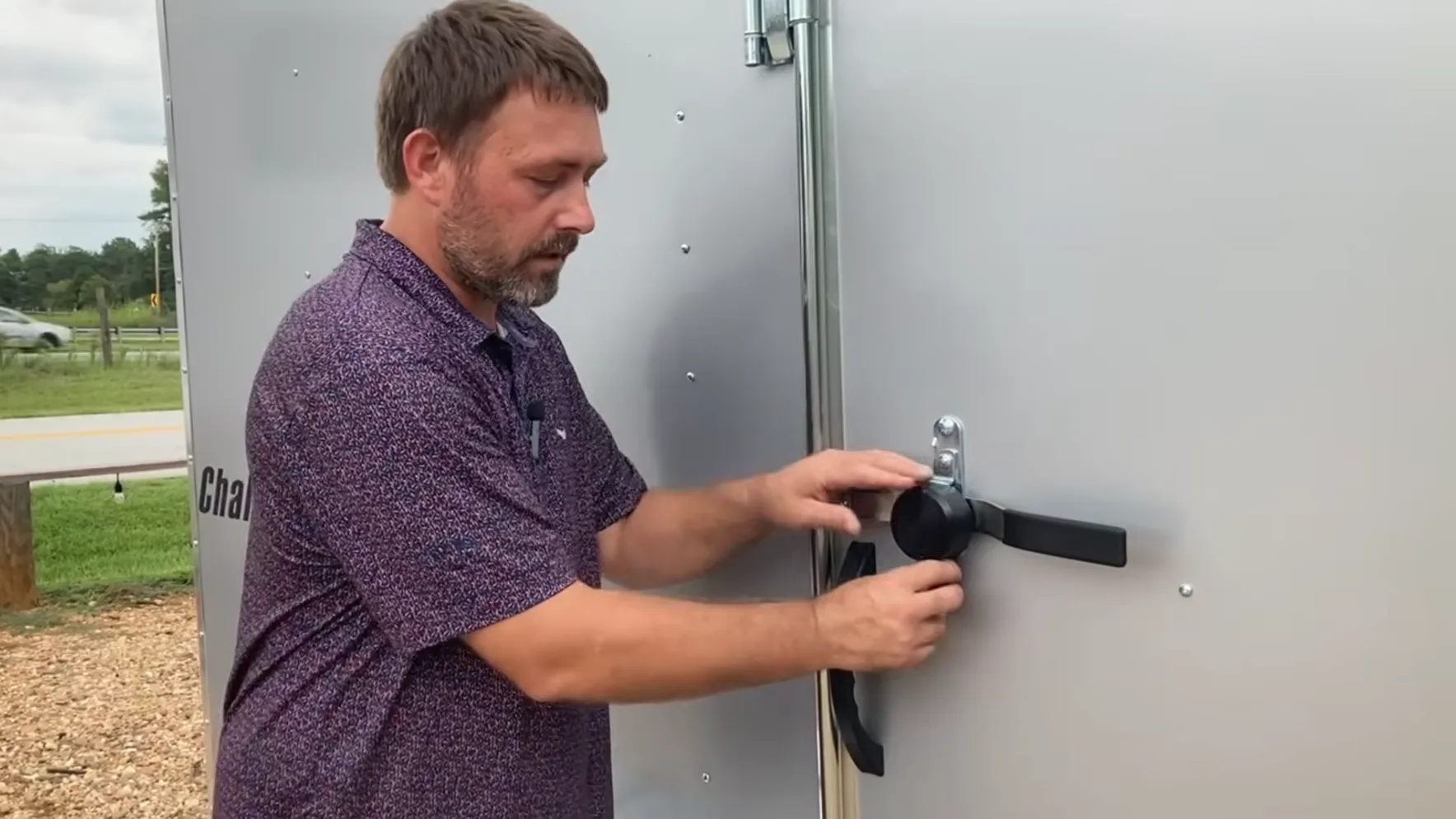
Every trailer owner has a wish list. You may be tired of wrestling with a heavy ramp, looking for better ways to secure cargo, or simply want your trailer to work a little smarter. Not every trailer needs the same upgrades. The most valuable improvements are the ones that solve the problems you encounter most often.
In this guide, we'll cover practical trailer upgrades by the problems they solve, highlight which improvements make the most sense for different trailer types, and help you decide which projects you can handle yourself and when it's worth bringing in a professional.
Smart trailer upgrades worth the investment
Match your trailer upgrades to the problem you're trying to solve
Before choosing an upgrade, think about what's causing your biggest frustration. Starting with the challenges you encounter most often will help you choose upgrades that deliver the most value.
If you're short on storage space
When space is limited, the right upgrades can help you make the most of every square foot.
Fold-up, bi-fold, or side-fold ramps reduce the amount of clearance needed behind your trailer, making them a smart choice if you store your trailer in a garage or regularly load and unload in tight spaces.
Tongue-mounted toolboxes keep chains, straps, wheel chocks, and other essentials within easy reach without taking up valuable cargo space. Mounted on the trailer's A-frame, they're one of the simplest ways to improve organization, and locking models add an extra layer of security when the trailer is parked.
External racks for ladders and landscaping equipment move bulky cargo to the sides or roof of the trailer, giving you more hauling space inside or on the trailer bed.
E-track-compatible shelving, wall-mounted cabinets, and overhead storage help enclosed trailer owners organize tools and equipment while keeping the floor clear. Because many systems mount to E-track, they're easy to reconfigure as your storage needs change.
Vertical tool holders and storage bins are a practical upgrade for utility and landscape trailers. They keep rakes, shovels, trimmers, and other long-handled tools upright, preventing them from shifting during transport or taking up valuable deck space.
If your ramp is difficult to lift
Heavy trailer ramps can quickly become frustrating, especially if you're loading and unloading several times a day.
Spring-assist systems are one of the most popular upgrades for reducing the effort required to raise and lower a heavy ramp. They're especially worthwhile on enclosed cargo trailers and equipment trailers where the ramp sees frequent use.
Gas struts provide additional lifting assistance and help create a smoother, more controlled motion when opening and closing the ramp.
Upgraded hinge systems can improve how the ramp operates over time, making it easier to open and close while standing up better to frequent use.
If you're concerned about theft
Trailers are an easy target when left unattended, but a few well-chosen upgrades can make yours much less appealing to thieves.
Coupler locks prevent someone from hooking your trailer up to another vehicle, making them one of the simplest and most effective security upgrades.
Wheel locks and boots immobilize the trailer, making it much more difficult to move without authorization.
Locking ramp latches add another layer of security by helping keep the rear ramp or door securely closed when the trailer is parked.
GPS trackers won't prevent theft, but they can significantly improve the chances of recovering your trailer if it's stolen. Battery-powered and hardwired options are both available.
No single upgrade can completely prevent theft, but combining several layers of security makes your trailer a much less attractive target.
If your ramp rattles while towing
A rattling ramp is often a sign that something needs attention. While it may seem like a minor annoyance, constant vibration can loosen hardware, create unnecessary wear, and eventually affect how securely the ramp closes.
Compression latches pull the ramp tightly against the trailer to reduce movement and eliminate rattles during transport.
Adjustable latches let you fine-tune the fit as hardware naturally wears over time, helping maintain a tight, secure connection.
Anti-rattle hardware is designed specifically to minimize vibration, making for a quieter ride while helping reduce wear on the ramp and its components.
Heavy-duty replacement latches are a smart upgrade if your original hardware is worn, damaged, or no longer keeping the ramp securely in place.
If loading is difficult
Making loading easier isn't always about one big upgrade. Often, it's a combination of small improvements that make the process safer, faster, and less frustrating.
Install better lighting. Good lighting makes a noticeable difference when loading early in the morning, after dark, or inside an enclosed trailer. LED loading lights provide brighter, longer-lasting illumination than traditional incandescent bulbs, and plug-and-play kits are available for many trailers. If you have an enclosed trailer, adding interior cargo lights can make it much easier to organize and secure your equipment.
Add grab handles and traction. Grab handles near the ramp or side door provide a secure handhold when climbing in and out, while non-slip surfaces—such as grip tape, expanded metal, or rubberized coatings—help reduce the risk of slipping in wet or muddy conditions.
Upgrade your tie-down system. A well-organized trailer is easier and safer to load. E-track and L-track systems provide flexible anchor points for securing cargo, while D-rings and recessed floor anchors work well for open trailers, flatbeds, and car haulers. Just be sure to choose hardware with weight ratings that match your trailer and the loads you typically haul.
Use ramp extensions or a winch. If you regularly load heavy equipment or low-clearance vehicles, these upgrades can make the job much easier. Ramp extensions create a gentler loading angle for low-clearance vehicles or heavy equipment, though some owners find that a tilt trailer eliminates ramp issues altogether. Winches—electric or manual—are especially important for car haulers when loading non-running vehicles.
Pro Tip: Before modifying your trailer's lighting, check your state's DOT lighting requirements. Some states have specific rules about light placement, color, and brightness.
If your trailer feels unstable while towing
As trailers get larger and heavier, stability becomes just as important as stopping power. If your trailer sways, sags, or feels difficult to control, a few upgrades can make towing more confident and predictable.
Weight distribution hitches help distribute tongue weight more evenly across your tow vehicle's axles, improving stability and reducing rear sag.
Sway control systems minimize side-to-side movement caused by crosswinds, passing vehicles, or uneven road conditions. They're especially beneficial for larger trailers and frequent highway towing.
Heavy-duty leaf springs and shocks reduce bounce and improve handling, making them a worthwhile upgrade if you're hauling near your trailer's capacity or traveling on rough roads.
Torsion axles provide a smoother ride with less maintenance than traditional leaf springs, making them a popular option for enclosed trailers and horse trailers where ride quality is especially important.
Pro Tip: Suspension upgrades should always match your trailer's actual GVWR. Stronger components won't increase your trailer's rated capacity. They simply help it handle its existing load more effectively.
If you need better braking
Once your trailer reaches a certain weight—typically around 3,000 pounds GVWR in many states—braking upgrades become less of a convenience and more of a necessity.
Electric brake controllers allow your trailer's electric brakes to work with your tow vehicle. Proportional controllers offer smoother, more responsive braking than time-delayed models, especially with heavier loads.
Breakaway kits automatically activate the trailer's brakes if it becomes disconnected from your tow vehicle. They're required for many trailers and provide an important layer of safety even when not legally mandated.
If you’re concerned about tire failures
Tires are one of the most common causes of trailer breakdowns, but they're also one of the easiest areas to improve before problems occur.
Higher load-range trailer tires provide additional capacity and improved heat resistance for heavier loads and longer trips. Always choose tires that match your trailer's GVWR and axle ratings.
Tire pressure monitoring systems (TPMS) provide real-time alerts for low pressure or blowouts, helping you catch problems before they become dangerous. They're especially useful on enclosed trailers where it's difficult to monitor the tires while driving.
Which trailer upgrades make the most sense for your trailer type
Not every upgrade makes sense for every trailer. The best choices depend on what you haul, how often you use your trailer, and the challenges you run into most often.
Utility trailers
If you're loading and unloading equipment throughout the day, focus on upgrades that save time, reduce effort, and improve safety.
- Spring-assist ramps make lifting the gate much easier.
- Anti-rattle latches keep the ramp secure and reduce vibration on the road.
- Better traction surfaces help prevent slips in wet or muddy conditions.
- LED lights improve visibility during early morning or evening loading.
- Tongue-mounted toolboxes keep straps, chains, and other essentials organized without taking up cargo space.
- Spare tire carriers keep emergency equipment accessible while freeing up deck space.
Enclosed cargo trailers
Many enclosed trailers serve as mobile workshops, making organization, security, and visibility top priorities.
- E-track systems provide flexible tie-down points for securing different types of cargo.
- Shelving and wall-mounted storage keep tools organized and off the floor.
- LED loading lights improve visibility inside the trailer.
- Grab handles make entering and exiting safer.
- Upgraded locking hardware helps protect valuable equipment.
- Tire pressure monitoring systems (TPMS) alert you to tire issues you can't easily see while towing.
Car haulers
The right upgrades make loading safer and help keep vehicles secure during transport.
- Low-angle or beavertail ramps reduce the risk of scraping low-clearance vehicles.
- Winches make loading disabled vehicles much easier.
- D-rings and wheel chocks keep vehicles securely in place.
- Secure latching systems prevent the ramp from bouncing during transport.
- LED loading lights improve visibility when loading in low-light conditions.
Dump trailers
Dump trailers are built for demanding jobs, so durability and efficiency are often the best investments.
- LED lights stand up well to vibration and rough job sites.
- Tarp systems help contain loads and meet roadway requirements.
- Remote hydraulic controls allow you to operate the dump bed safely from outside the truck.
Horse & livestock trailers
When transporting animals, comfort and safety should guide your upgrade decisions.
- Improved ventilation helps maintain airflow during warm weather and long trips.
- Rubber flooring provides better traction and cushioning for livestock.
- Interior lighting makes loading, unloading, and routine checks easier.
- Tire pressure monitoring systems (TPMS) provide early warning of tire issues before they become a safety concern.
Which trailer upgrades should you get first?
If you're planning to upgrade your trailer over time, you don't have to tackle everything at once. We generally recommend prioritizing upgrades based on safety first, security second, and convenience third.
Start with safety. If your trailer could benefit from better lighting, improved brakes, a breakaway kit, better traction on the ramp, or more secure tie-down points, those upgrades should come first. They're the ones that help protect you, your cargo, and everyone else on the road.
Next, focus on security. If your trailer is parked outside, stored at a job site, or carries expensive equipment, upgrades like coupler locks, locking ramp latches, wheel locks, or a GPS tracker can help protect your investment.
Finally, invest in convenience. Once the essentials are covered, look at the upgrades that make your trailer easier to use every day. Spring-assist ramps, tongue-mounted toolboxes, E-track systems, shelving, LED loading lights, and grab handles may not be necessities, but they can save time, reduce frustration, and make every trip a little easier.
There's no one-size-fits-all upgrade list. The right place to start depends on how you use your trailer, what you haul, and which everyday frustrations you'd most like to eliminate.
DIY or professional installation
Some upgrades are straightforward bolt-on additions. Others involve structural modifications, welding, or electrical work that affects safety.
Generally safe for DIY:
- Tongue toolboxes
- D-rings and tie-down points
- LED light upgrades (plug-and-play)
- Spare tire mounts
- Anti-rattle hardware
Best left to a qualified shop:
- Brake system work
- Suspension modifications
- Welding or structural reinforcement
- Hardwired electrical upgrades
- Axle replacements
Before making major modifications, verify that the changes won't exceed your trailer's GVWR. Confirm that lighting meets DOT requirements, and check state-specific brake requirements by weight. It's also worth documenting modifications for insurance purposes.
Ask Ken Feagin Truck and Trailer about your next upgrade
The best upgrades are the ones that make your trailer safer, more functional, and easier to use every day. Whether you need help choosing the right accessories, upgrading your current trailer, or deciding if it's time to move into a trailer that's a better fit for your needs, our experienced team is here to help.
Conveniently located in Campobello, SC, just off Exit 5 on I-26, we proudly serve customers throughout the Upstate, including Greenville, Spartanburg, and Asheville. Come on by or give us a call—we're happy to answer your questions.
You might also like:
- Towing a Trailer: The Ultimate Guide for Beginners
- What Equipment Is Required on a Trailer?
- What Is Trailer Sway & How Do You Prevent It?